
A pet-friendly apartment is more than a listing filter. It needs safe windows, reliable cooling, a workable daily routine and clear rules about the spaces beyond the front door. In Dubai, these details can matter as much as the size of the living room.
Keeping pets in Dubai apartments is possible, provided the animal meets applicable legal requirements and the arrangement complies with the building rules and, for tenants, the tenancy terms. Buying the apartment does not answer every question about shared facilities. Equally, a landlord’s permission does not replace registration or veterinary care.
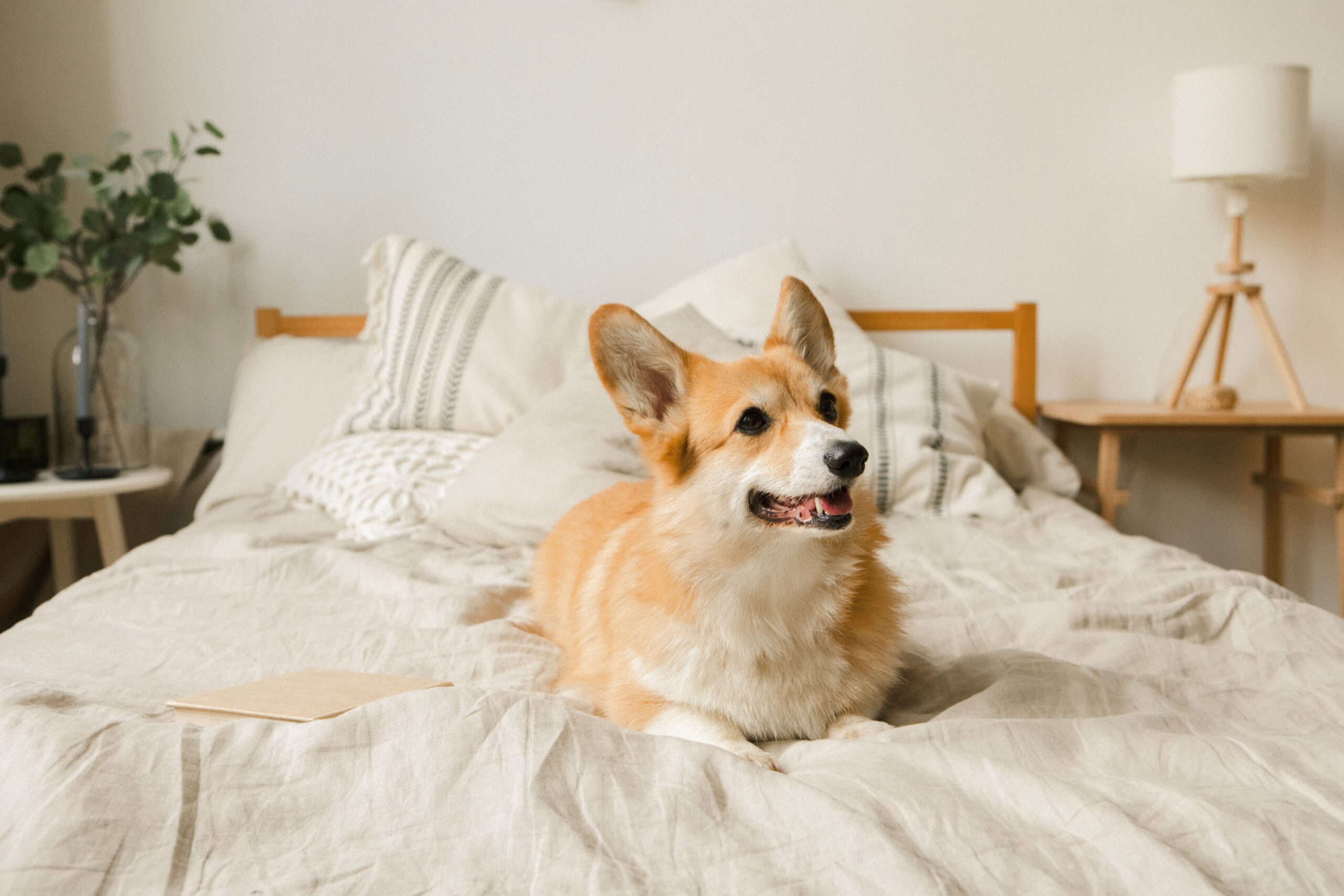
Can you keep a pet in a Dubai apartment?
Start with three separate checks: the animal, the building and the occupancy agreement. A cat or dog may be permitted under the applicable animal rules while a particular property has additional conditions. A building that accepts pets may still restrict their access to its pool, gardens or other shared facilities.
Three checks before bringing a pet home
1. Animal requirements
Confirm eligibility, registration, identification and vaccination requirements.
2. Property permission
Read the building rules and document any required landlord consent.
3. Everyday care
Plan cooling, exercise, cleaning, veterinary costs and care during travel.
Ask management for the current written pet policy before buying, renting or adopting. Check whether it addresses species, numbers, size, access routes and pet registration with the building. If the answer is simply “pet friendly”, request the document behind that description.
Published policies show why this matters. Dubai Holding Community Management’s rules allow domestic household pets subject to conditions, while restricting access to several shared facilities and requiring control, identification and waste removal. These are that operator’s rules; they should not be presented as a universal policy for every Dubai development.
Registration, microchips and vaccination records
Dubai’s Public Health Law No. 5 of 2025 addresses pet ownership licensing, animal identification and registration. It also requires keepers to provide appropriate care, comply with immunisation requirements, maintain an immunisation card and prevent animals from straying.
For cats and dogs, start with Dubai Municipality’s pet registration service or an authorised veterinary clinic. Check that the microchip number, registered owner and vaccination record match. Following an adoption or ownership transfer, establish whether the registration needs updating rather than assuming the previous keeper’s paperwork is sufficient.
Keep the registration record, microchip details, vaccination card and clinic contact together. Ask the clinic to identify the next vaccination and renewal dates that apply to the individual animal. A permanent microchip does not mean every associated document remains current indefinitely.
Routine care also deserves a plan: discuss nutrition, parasite prevention, dental health, neutering where appropriate and any breed-related needs with a licensed veterinarian. Arrange this around the animal’s age and medical history rather than choosing treatments from a generic online checklist.
Restrictions depend on the animal
Dogs have specific federal requirements. Federal Law No. 22 of 2016 requires a competent-authority licence for dog ownership, provides for identification and vaccination records, and prohibits private possession of dogs classified as dangerous, subject to the law’s specific exceptions. Check the current official classification before acquiring or importing a dog, particularly where its breed or crossbreed status is uncertain.
Do not assume that rules for cats and dogs cover birds, rabbits, reptiles or other animals. Confirm the species’ legal status, any permits and the building’s policy before purchase. For less common pets, access to a suitable veterinarian and the animal’s housing needs should be part of that decision.
An import limit is not an apartment limit
MOCCAE’s personal-import rules generally allow up to two cats and/or dogs combined per person per year, with an exception for qualifying resident pets returning to the UAE. That provision should not be described as a universal maximum of two pets in every apartment. Confirm any separate animal-number restrictions with the relevant authority and building management.
The distinction comes from the MOCCAE import rules. It also does not mean unlimited animals are appropriate: the available space, welfare requirements, community conditions and ability to provide care still matter.
Choose an apartment around the daily routine
During a viewing, trace the journey from the front door to a permitted outdoor area. Consider lift waiting times, doors opening directly onto traffic, shaded routes and where waste can be disposed of. An attractive communal lawn is of little practical value for dog walks if animals cannot enter it.
Inside, assess usable space rather than floor area alone. A quiet resting area, washable surfaces and room to separate feeding and toileting can make everyday care easier. For cats, provide opportunities to climb, scratch, hide and play; in a multi-cat household, avoid forcing every animal to share one crowded resource area. Cats Protection’s indoor-cat guidance explains why enrichment and a suitable home environment matter.
Work schedules are equally important. Before adopting a dog, decide who will handle exercise and toilet breaks during a full working day. A balcony is not a substitute for that routine. Choose an animal whose needs you can meet consistently, including during Dubai’s hotter months.
Balconies, windows and maintenance visits
A high floor does not make an open window safe. Cats Protection warns about falls and window hazards, including animals becoming trapped in tilt windows. Check gaps, access to ledges and the suitability of any protective screen; ordinary insect mesh should not be assumed to contain a pet safely.
Before installing balcony netting, screens or permanent barriers, obtain any required landlord and building approvals. Agree how the installation will be fixed and removed. Safety improvements should also preserve ventilation, drainage and access needed for maintenance.
Tell cleaners, maintenance contractors and pest-control providers that animals live in the apartment. Arrange a secure room or alternative care while doors remain open, and ask about product-specific precautions and re-entry instructions. Keep medicines and cleaning products inaccessible. Do not rely on a label saying “natural” to decide whether a product is suitable around a particular species.
Heat makes cooling part of the care plan
The American Veterinary Medical Association’s warm-weather guidance recommends water, shade and avoiding hot walking surfaces. Never leave a pet in a parked car. Plan exercise for cooler conditions and adjust it to the animal: short-nosed breeds, older animals and pets with health problems may need additional precautions agreed with their veterinarian.
At home, maintain suitable indoor conditions while pets are alone. Include AC servicing and a cooling-failure response in the household plan. A temperature alert can help, but someone also needs authorised access and the ability to move the animal if necessary.
Excessive panting, drooling, weakness or collapse after heat exposure require urgent veterinary attention. Move the animal away from the heat and contact a veterinarian immediately for instructions. Keep the nearest emergency clinic’s details accessible before an emergency occurs.
Walks, shared spaces and neighbour complaints
The federal dog-control rules require dogs to be leashed and controlled outside their shelters. Follow the rules of each venue, including any specific muzzle conditions, rather than assuming all outdoor spaces permit dogs or off-leash exercise.
Designated facilities may provide an exception for off-leash activity. For example, JLT’s published dog-park rules allow it within the enclosure, with supervision, identification and other conditions. Dogs must be leashed for entry and exit. Permission to use that facility does not extend to every nearby lawn or walkway.
Remove waste immediately and keep entrances and corridors clear. Give neighbours space in lifts and avoid approaching children or other animals without agreement. If barking or scratching generates a complaint, ask for specific times and circumstances. A factual record helps identify whether the issue involves separation, hallway noise or another trigger that needs veterinary or behavioural support.
For an injury or damage incident, prioritise immediate care, secure the animal, record what happened and notify the appropriate management team and insurer. For a missing pet, promptly contact building security, nearby veterinary clinics and Dubai Municipality with the identification details.
Budget beyond food and adoption costs
A useful pet budget reflects your actual working and travel pattern. Regular dog walking or holiday boarding can be a significant recurring commitment, while a cheap initial purchase says little about future veterinary costs. Obtain itemised quotes for the animal you intend to keep.
| Cost category | Include in the calculation |
|---|---|
| Initial setup | Initial veterinary assessment, registration, identification, carrier, bedding and approved safety work. |
| Routine living | Food, litter, cleaning, enrichment, grooming and walking or daytime care where needed. |
| Planned healthcare | Check-ups, due vaccinations, prescribed prevention and any ongoing treatment. |
| Travel and absences | Boarding or home visits, transport, travel documents and any additional peak-period charges. |
| Unexpected costs | Emergency care, insurance excesses, excluded treatment and repairs for which you are responsible. |
Separate government charges from clinic or service-provider fees. When comparing packages, check what is included, whether VAT is additional and which services must be purchased separately. Keep an emergency reserve even if you buy insurance: reimbursement timing, excesses and exclusions can leave costs payable upfront.
Pet insurance and home insurance cover different risks
There are three questions to ask an insurer: will the policy pay for the animal’s treatment, liability for injury or damage to others, and damage to the apartment itself? They require separate answers. For medical cover, examine pre-existing-condition exclusions, waiting periods, age limits, annual limits and the claim process.
Published policy wording illustrates the gap. GIG Gulf’s Home Comfort wording excludes damage by domestic animals or birds from its buildings and contents accidental-damage extensions. Meanwhile, SALAMA’s published pet wording makes dog third-party liability conditional on the policy schedule and excludes certain property belonging to, or in the care of, the insured.
These are policy examples, not universal exclusions. Ask the insurer to confirm the cover under your own schedule, particularly for rented property in your care. “Pet insurance included” is not enough to establish that a scratched landlord’s floor or a damaged sofa will be reimbursed.
Letting an apartment to tenants with pets
A clear pet policy can make a tenancy easier to manage. Record the agreed animals, any required documentation, the relevant community rules, cleaning responsibilities and how complaints will be addressed. Also set an agreed procedure for adding another animal. Avoid a vague verbal permission that leaves both parties interpreting its scope later.
Photograph floors, doors, skirting, balcony fittings and landlord-owned furniture at handover. Under Articles 19–21 of Dubai’s tenancy law, tenants must take care of the property; alterations require the relevant permissions; and the security deposit or its remaining balance must be returned at lease expiry. The law distinguishes return-condition obligations from ordinary wear and tear or damage outside the tenant’s control.
In practice, assess any proposed deduction against the documented condition, actual damage and justified repair cost. A pet’s presence alone does not establish that the entire deposit should be retained. Record any additional agreed deposit clearly, including its purpose and return conditions, rather than presenting it as a standard Dubai-wide pet fee.
If a manager handles the tenancy, specify who confirms building permission, keeps records and coordinates complaints or repairs. Our guide to property management contract flexibility explains how to define those responsibilities. For holiday homes, align the advertised pet policy with the building rules, insurance and cleaning arrangements before accepting a booking.
Moving to Dubai with a pet
Begin with MOCCAE’s pet import service before booking transport. Import preparation includes the required permit, matching microchip details, vaccination documentation and an official veterinary health certificate. Additional testing depends on the origin country and applicable conditions. Confirm eligibility and document timing for the individual animal.
Airline acceptance is a separate check: confirm the route, transport method, crate and any breed or seasonal restrictions directly with the carrier. If a UAE-resident pet will leave and return, establish the export and re-entry requirements before departure. Local registration should not be treated as automatic permission to cross the border.
Plan for holidays, emergencies and a future move
Choose a suitable boarding provider or sitter before travel dates become urgent. Check authorisation for the service, supervision, required health records and the emergency procedure. Give the carer feeding instructions, medication instructions from the vet, contact details and written agreement about veterinary decisions and spending.
For care at home, arrange lawful building access and a backup contact. Automated feeders and cameras can support a care arrangement, but they cannot respond physically to illness, a water spill or failed cooling. The same planning matters if a work trip is extended unexpectedly.
Adoption is also worth considering before buying. Dubai Municipality’s integrated shelter and digital adoption platform provide health and behavioural information and opportunities to meet animals. Assess temperament, activity needs and your long-term housing plans together. If circumstances later change, arrange a responsible transfer of care and update the records; abandoning an animal is never an acceptable moving-out solution.
Before your pet moves in
- Confirm the animal's eligibility and obtain the current building pet rules and any required landlord consent.
- Check registration, microchip details, vaccination records and the next required appointments.
- Secure windows and balconies using suitable measures with any necessary approvals.
- Arrange daily care, a cooling-failure response, emergency access and a veterinary contact.
- Budget for routine care, absences and emergencies; check the actual insurance exclusions.
- For a tenancy, record the property condition and agree pet-related responsibilities in writing.
Frequently asked questions
A workable home for pets
- Check the animal's requirements, the property rules and the occupancy agreement separately.
- Safe windows, reliable cooling and a realistic care routine matter throughout the year.
- Keep documents current and plan for travel, veterinary costs and unexpected absences.
- For rented apartments, clear permissions and condition records make responsibilities easier to establish.
Compare support for your rental property
Compare property management companies and ask how they handle building permissions, tenancy documentation, inspections and maintenance in apartments occupied by tenants with pets.


