
Dubai’s oldest standing building has reopened after a major restoration that combines traditional heritage conservation with modern engineering and museum technology.
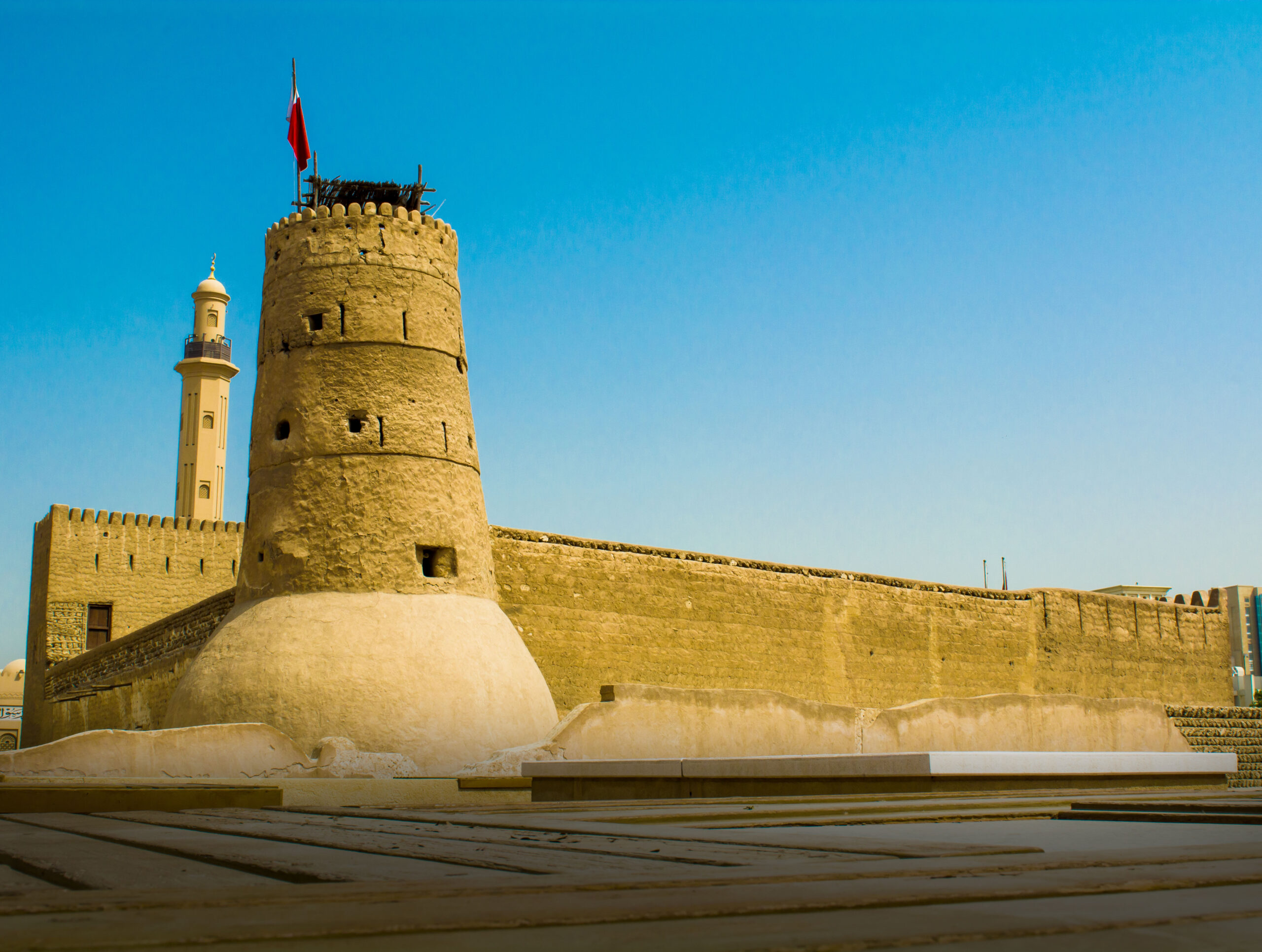
Al Fahidi Fort reopened on 20 November 2026 following a comprehensive restoration and redevelopment programme designed to protect the historic structure while transforming the visitor experience inside.
Built in 1787, the fort has stood for more than 230 years and previously served as a defensive structure, Dubai’s seat of government, an administrative centre and, from 1971, the emirate’s first museum.
What changed
The restoration preserved Al Fahidi Fort’s historic structure while introducing six museum galleries, more than 700 heritage and historical items, interactive digital media and immersive audiovisual experiences.
The restoration had to protect a building dating back to 1787
Al Fahidi Fort is not a conventional renovation project where old interiors can simply be removed and rebuilt.
Its architectural fabric is itself part of the asset. The restoration therefore had to preserve original materials, proportions and historic construction details while adapting the building for modern museum use.
The Murabba’ah Tower remains one of the most important parts of the site. Its walls are approximately two metres thick and were constructed using traditional materials including coral stone and gypsum.
Sensors were used to protect the fort during nearby excavation
One of the most interesting parts of the project happened during construction rather than after completion.
Dubai Culture said excavation works exceeding 16 metres in depth were taking place only metres from the fort’s southwest tower during the rehabilitation.
To manage the risk, the project team installed high-precision monitoring systems to track structural movement, vibrations and cracks in the historic building.
The live data allowed engineers to identify changes early and intervene before they could develop into serious structural damage.
The conservation system won international recognition
The monitoring approach became part of Dubai Culture’s Predictive Heritage Protection Framework.
Earlier in November, the framework ranked among the top three projects globally in the Most Innovative Project – Public Sector category at the Global Innovation Management Institute Awards.
More than 200 projects were considered in the awards programme.
The significance of the system is that conservation decisions were based on measured structural behaviour rather than waiting for visible damage to appear.
The interior is now a completely different museum experience
The project was not limited to repairing the exterior walls and towers.
The restored museum now contains six main galleries and more than 700 heritage and historical items.
The collection includes archaeological objects, oral history, cultural heritage material and Islamic arms and armour.
Interactive digital media, sound, lighting and audiovisual installations have been integrated into the museum so visitors can experience the history of the building rather than only view static displays.
The Vault brings immersive technology inside the historic fort
One of the new experiences is The Vault, which uses light, sound and audiovisual technology to present the development of defence in Dubai and the UAE.
Other galleries explore the changing role of the fort, historic military equipment, personal memories of people who lived or worked there and the wider network of forts and watchtowers across the UAE.
The result is a renovation where modern technology has been added without replacing the historic building as the main attraction.
The area around the fort is also being changed
The redevelopment extends beyond the museum walls.
Dubai’s Roads and Transport Authority has been working on the surrounding public realm as part of the wider superblock project in the historic district.
The programme includes more pedestrian space, improved walking routes, connections to nearby cultural sites and markets, cycling access and links with public transport.
Additional parking and mobility facilities are also intended to make the restored fort easier to reach without changing the historic character of the surrounding area.
Why this renovation is interesting for property owners
Few Dubai property owners will ever renovate a 239-year-old fort, but several principles from the project apply to ordinary properties.
The first is that successful renovation does not always mean replacing everything old. Existing character can be an asset when it is technically sound and properly integrated into the new design.
The second is that sensitive work should be monitored while it is happening. Problems caused by demolition, structural changes or nearby construction are easier to manage when movement and defects are identified early.
- Decide which existing features are worth preserving before demolition starts.
- Use surveys and technical monitoring where structural risk exists.
- Design new systems around the property rather than forcing the property around them.
- Separate cosmetic upgrades from structural and conservation work.
- Consider how access and the surrounding environment affect the final result.
- Judge a renovation by how the property functions after completion, not only by how different it looks.
Preservation and modernisation can happen together
Al Fahidi Fort is a strong example of renovation being used to extend the useful life of an existing asset without removing the qualities that make it valuable.
The building remains recognisably historic, but its function, visitor journey, structural protection systems and museum technology have been substantially upgraded.
That balance between preserving what works and modernising what needs to change is relevant at every scale of renovation, from heritage buildings to individual Dubai apartments and villas.
What property owners should know
- Al Fahidi Fort reopened on 20 November 2026 following a comprehensive restoration and redevelopment.
- The fort was built in 1787 and is Dubai’s oldest standing historic building.
- High-precision sensors monitored structural movement, vibration and cracks while excavation more than 16 metres deep took place nearby.
- The renovated museum now contains six main galleries and more than 700 heritage and historical items alongside interactive digital and audiovisual experiences.
- The project shows how renovation can preserve an asset’s original character while upgrading its function, technology and surrounding environment.
Source
Emirates News Agency (WAM), 20 November 2026. Official coverage of the reopening of Al Fahidi Fort Museum following its comprehensive restoration and redevelopment, including the museum galleries, collections and historical significance of the building. View the official report.
Emirates News Agency (WAM), 11 November 2026. Details of Dubai Culture’s Predictive Heritage Protection Framework, including structural sensors used during excavation works exceeding 16 metres in depth beside Al Fahidi Fort. View the report.
The National, 20 November 2026. Independent coverage of the restored fort’s reopening, its transformation into an interactive museum and its more than 700 heritage items across six galleries. View the report.
Image source — Wikimedia Commons. “Al Fahidi Fort (Dubai Museum).jpg”, photographed by Jasonbalaba. Original image: 5,304 × 4,000 pixels, licensed under Creative Commons Attribution-ShareAlike 4.0. View image source and licence.
Planning a renovation in Dubai?
Compare Dubai renovation companies by project scope, services and approach before choosing a contractor for your property.


