
Dubai’s expanding rail network could start reshaping property demand well before some of the new lines begin carrying passengers, with rental markets potentially responding before sale prices in communities gaining significantly better connectivity.
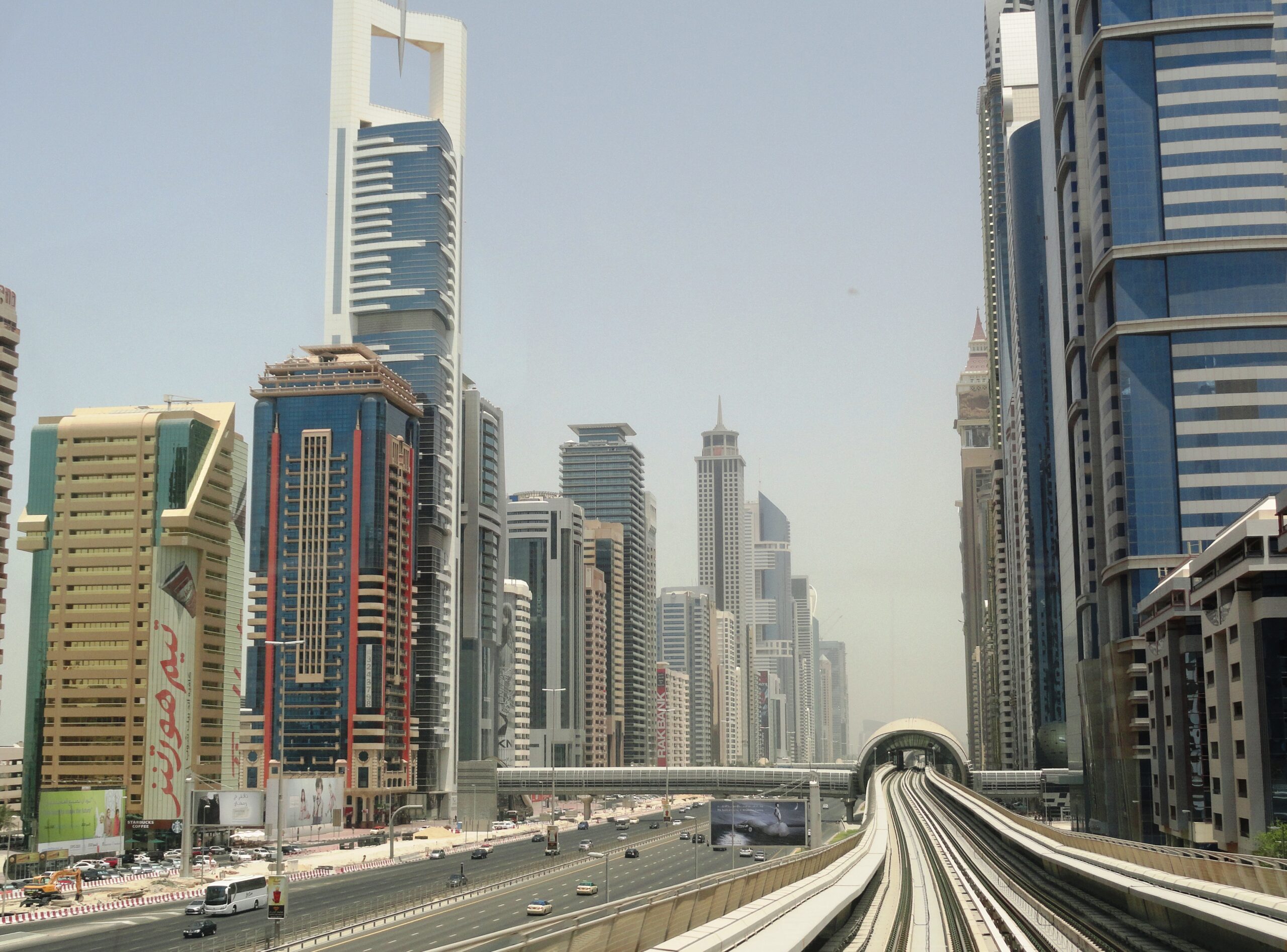
A Gulf News analysis published on 22 August 2026 identified International City, Dubai Silicon Oasis, JVC, Meydan, Dubai South, Mirdif, Al Warqa and several other communities as areas that property executives believe could benefit from upcoming Metro and rail connections.
The important point for property owners is not simply that new transport infrastructure is being built. Better connectivity can change how tenants judge location, potentially making communities that previously felt too far from major employment centres more practical places to live.
Why this matters to property owners
Improved rail access can expand the pool of tenants willing to consider a community. Property executives interviewed by Gulf News expect rents to react before sale prices where new transport links materially improve accessibility, although the effect will vary significantly by area, station location and property type.
Which Dubai Areas Could Benefit?
The impact will not be uniform across Dubai. Communities gaining rail access for the first time could experience a more meaningful change than areas that already have strong public transport connections.
Dubai Metro’s Blue Line is particularly relevant for International City, Dubai Silicon Oasis, Dubai Academic City, Mirdif and Al Warqa, as well as Dubai Creek Harbour and Dubai Festival City.
Dubai’s Roads and Transport Authority says the 30-kilometre Blue Line will include 14 stations and is targeted to open on 9 September 2029. RTA expects the route to serve districts with a combined projected population of more than one million residents.
Separately, Gulf News reported that property executives are watching communities including JVC, Meydan, Mohammed Bin Rashid City, Al Barsha South and Jumeirah Golf Estates in connection with the planned Gold Line, while Dubai South, Jebel Ali and Dubai Investments Park could benefit from wider rail connectivity and employment growth.
Why Rents Could Move Before Sale Prices
Renters can react to changing accessibility more quickly than property buyers. A tenant choosing where to live for the next year may reconsider a community as soon as commuting becomes easier or the opening of a major transport connection approaches.
Salman Ali Khan, COO and Co-Founder of 3S Real Estate Brokers, told Gulf News that rents typically rise first when improved connectivity generates stronger demand, followed later by property prices.
That does not mean every home close to a future station will automatically command higher rent. Walking distance, actual travel-time savings, building quality, competing supply, unit condition and the amount of new development entering the area will all affect the result.
JVC Could Be One of the Markets to Watch
Jumeirah Village Circle is particularly interesting because it has developed into one of Dubai’s largest residential communities despite lacking direct Metro access.
If future rail plans materially improve access from JVC to employment and commercial centres, tenants who currently reject the community because of car dependency may begin considering it.
For landlords, that could improve the depth of the tenant pool. But owners should be careful about pricing a future transport premium into their property too early, particularly where routes and station details remain at the planning stage.
Dubai Silicon Oasis Has a Different Advantage
Dubai Silicon Oasis has a stronger degree of certainty because it is included on the officially confirmed Blue Line route.
The community already combines residential property with a substantial technology and employment base, but its lack of direct Metro access has historically limited public transport options for some residents.
A direct Metro connection could therefore change the rental calculation for tenants working either inside the district or elsewhere along the network.
Dubai South Could Benefit From Employment and Transport Together
Dubai South presents a different investment case. Its potential is linked not only to transport infrastructure but also to Expo City, Al Maktoum International Airport, logistics activity and continued residential development.
Improved connections between Dubai and other emirates could widen the pool of residents willing to live in the area, particularly employees whose work involves frequent travel or who are based around the airport and logistics districts.
For owners, the combination of employment growth and transport accessibility may ultimately be more important than proximity to a station alone.
A Future Metro Station Does Not Guarantee Higher Returns
Transport infrastructure can support demand, but it should not be treated as a guaranteed investment return.
An area can gain a new station while simultaneously receiving thousands of new apartments. If new rental supply expands faster than tenant demand, owners may not experience the rent growth they expected.
The strongest effect is likely to occur where new connectivity removes a genuine existing disadvantage while supply remains reasonably balanced.
Owners should therefore evaluate the exact location of their building, distance from confirmed stations, expected completion dates, future residential supply and current achievable rents rather than relying on a general “near the Metro” narrative.
What Property Owners Should Watch Next
For properties in communities affected by new transport projects, the next useful signals will be changes in rental enquiries, days on market and achieved rents as construction progresses.
Owners should also watch the difference between buildings close to future stations and comparable buildings deeper inside the same community. That can help show whether a genuine connectivity premium is starting to develop.
For investment purchases, confirmed infrastructure should generally carry more weight than speculative future routes. The Blue Line already has a defined route, active construction and an official 2029 opening target, while other future rail projects may still evolve before completion.
What property owners should know
- Property executives expect improved rail connectivity to expand tenant demand in several outer and mid-market Dubai communities.
- Gulf News reported that rents may respond before sale prices where a new transport connection materially improves accessibility.
- Dubai Metro’s officially confirmed Blue Line will serve areas including International City, Dubai Silicon Oasis, Mirdif and Al Warqa and is targeted to open on 9 September 2029.
- JVC, Meydan and Dubai South are among other communities property executives are watching as Dubai’s wider rail network develops.
- A future station does not guarantee higher rents or prices: competing supply, walking distance, building quality and actual travel-time improvements remain critical.
Source
Gulf News, 22 August 2026. Analysis of how Dubai Metro Blue and Gold Line plans and Etihad Rail could affect residential demand in communities including JVC, Meydan, Dubai Silicon Oasis and Dubai South. View the report.
Dubai Roads and Transport Authority — Dubai Metro Blue Line. Official project information covering the 30-kilometre route, 14 stations, communities served and planned opening date of 9 September 2029. View the official project.
Image source — Wikimedia Commons. “Dubai Metro, Sheikh Zayed Road, Dubai (8973069208).jpg”, photographed by Fabio Achilli. Original image: 4,608 × 3,410 pixels, licensed under CC BY 2.0. View image licence and source.
Looking for a property management company in Dubai?
Compare Dubai property management companies, their fees, services, rental strategies and owner terms before choosing who should manage your property.


