
Dubai’s new regulatory framework for shared housing is now in force, changing how property owners, operators and residents can legally rent apartments, houses and other residential units to multiple occupants.
Law No. 4 of 2026 on the regulation of shared housing took effect on 26 August 2026, introducing mandatory permits and a formal regulatory structure for properties used as shared accommodation across Dubai.
The rules apply across the emirate, including private development zones and free zones, and can cover apartments, standalone houses, residential complexes, mixed-use buildings, townhouses and multi-storey buildings designated for shared housing.
For property owners, one of the most important changes is simple: a unit cannot legally be designated for shared housing without the required permit.
What changed on 26 August?
Dubai’s shared housing law is now effective. Properties used for shared accommodation require approval, tenants cannot independently sublet rooms or spaces to other people, and repeat violations can result in fines of up to AED1 million.
What Dubai Means by Shared Housing
The law defines shared housing broadly as accommodation in which a group of individuals or families are each allocated space within a property while sharing facilities such as kitchens, dining areas, bathrooms or external areas.
This means the legislation is relevant to more than traditional worker accommodation or large bed-space operations. It creates a specific framework for residential units intentionally operated as shared accommodation.
Collective labour accommodation governed under separate rules is excluded from the law.
Owners Need a Permit Before Using a Property for Shared Housing
The law prohibits an individual or company from allocating a property for shared housing without obtaining the required permit from the competent authority.
Before approval is granted, the property must satisfy applicable planning, building, health, fire safety, sanitation, security and electrical requirements.
Dubai Municipality is responsible for establishing additional standards including the maximum number of occupants allowed in a unit, minimum space per resident and the facilities that must be provided.
The Municipality can also determine which areas of Dubai are suitable for shared housing based on factors including population density, infrastructure, sewage capacity, urban planning and the social character of individual neighbourhoods.
Tenants Cannot Simply Sublet Rooms to Other People
One of the most important provisions for landlords concerns subletting.
Under the new framework, the right to rent a property designated for shared housing is restricted to the property owner or an authorised establishment. Occupants and other parties are not permitted to independently sublet the property or any allocated part of it to another person.
For owners, this makes informal room-by-room subletting arrangements particularly important to review. A tenant taking an apartment under a normal tenancy and then creating an unofficial bed-space or room-rental business is not the same as an owner operating a properly authorised shared housing unit.
How an Owner Can Operate Shared Housing
Once the appropriate permit has been obtained, the law provides several possible operating structures.
The owner can enter into rental agreements directly with occupants. Alternatively, an authorised establishment can manage and rent the unit on behalf of the owner under a management agreement.
A licensed establishment can also lease the unit from the owner and then rent it to occupants, provided the arrangement operates within the new regulatory framework.
Owners using a third-party operator should therefore verify that the company is authorised to conduct the relevant activity rather than relying only on a standard property management or tenancy agreement.
Dubai Is Creating a Dedicated Shared Housing Register
The regulation also moves shared housing into a more formal data and registration system.
Dubai Land Department is responsible for maintaining an electronic shared housing register linked to Dubai Municipality’s unified digital platform.
DLD will determine the information required in lease and management contracts, including details of landlords, properties, allocated spaces and the number of occupants.
The department is also tasked with establishing and periodically updating a rental indicator specifically for shared housing units, taking into account the characteristics and services of the property.
Fines Can Reach AED1 Million
The penalties make the new regime particularly relevant for owners who previously treated room-by-room rental arrangements as an informal management issue.
Violations can result in fines ranging from AED500 to AED500,000. If the same violation is repeated within one year, the penalty can be doubled, with a maximum fine of AED1 million.
Authorities can also impose additional measures. These may include suspending an operator’s activity for up to six months, cancelling a permit, coordinating the cancellation of a commercial licence, disconnecting public services until violations are corrected or ordering the evacuation of a non-compliant property through the appropriate enforcement process.
Existing Shared Housing Has a One-Year Compliance Period
The law does not require every existing operation to be transformed overnight.
Owners and establishments already operating shared housing before the law took effect have been given one year to bring their properties and operations into compliance with the new rules.
That means existing operators should treat 26 August 2027 as an important compliance horizon, subject to any subsequent implementation decisions or permitted extension. The Director General of Dubai Municipality can grant a one-time extension where required.
What Owners Should Check Now
Owners who rent an entire apartment to one tenant under a normal tenancy should first establish whether the tenant is subsequently subletting rooms, beds or allocated spaces to other occupants.
Owners intentionally operating a shared housing model should confirm whether their property is eligible, whether the relevant permit has been obtained and whether the unit complies with occupancy and safety requirements.
Where a management company or master tenant operates the property, owners should also check the company’s authority to manage shared housing, the contractual relationship with occupants and responsibility for regulatory compliance.
The financial model should also be reviewed. Shared housing can generate higher gross income than renting a property to a single household, but additional management, compliance, utilities, maintenance and turnover costs can materially change the net return.
Why This Matters Beyond Shared Apartments
The law represents a broader shift toward bringing another previously fragmented part of Dubai’s rental market into a formal permitting, contracting and data framework.
For landlords, that increases transparency but also reduces the space for informal arrangements in which a property is leased to one person and subsequently divided among multiple paying occupants without clear oversight.
Over time, the shared housing register and dedicated rental indicator could also give owners, operators and regulators a clearer picture of pricing and demand within this segment.
What property owners should know
- Dubai’s Law No. 4 of 2026 regulating shared housing took effect on 26 August 2026.
- A property cannot be designated for shared housing without the required permit and compliance with occupancy, planning and safety standards.
- Residents and other third parties are not allowed to independently sublet the property or allocated parts of it to other occupants.
- Violations can result in fines of up to AED500,000, rising to a maximum of AED1 million for repeated violations within one year.
- Existing owners and establishments operating shared housing have one year from the law’s effective date to bring their properties and operations into compliance, subject to any permitted extension.
Source
Dubai Government Media Office — Law No. 4 of 2026. Official explanation of Dubai’s new framework regulating the management and occupancy of shared housing, including permits, owner obligations, subletting restrictions, penalties and the compliance period. View the official announcement.
Dubai Legislation Portal — Law No. 4 of 2026. Official text of the law regulating shared housing in Dubai, including permitted property types, licensing requirements, rental structures and enforcement provisions. View the law.
Gulf News, 26 August 2026. Report confirming that the shared housing law has taken effect and outlining the permit requirement, one-year compliance period and fines for repeat violations. View the report.
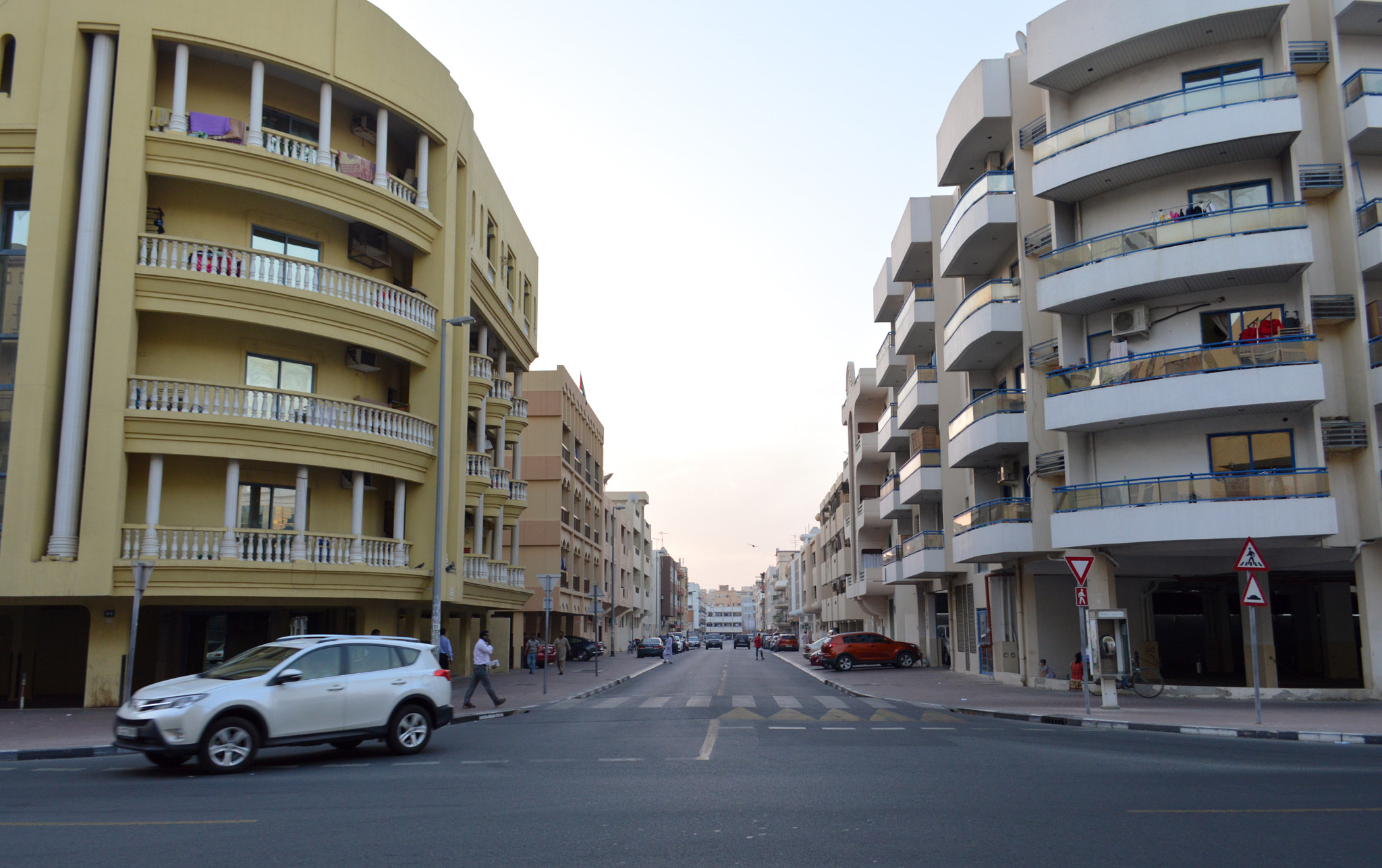
Image source — Wikimedia Commons. “Residential Neighborhood In Bur Dubai”, photographed by Francisco Anzola. Original image: 2,048 × 1,287 pixels, licensed under CC BY 3.0. View image licence and source.
Looking for a property management company in Dubai?
Compare Dubai property management companies, their fees, services, rental strategies and owner terms before choosing who should manage your property.


